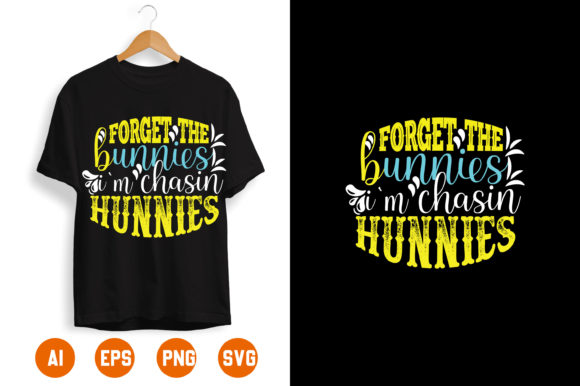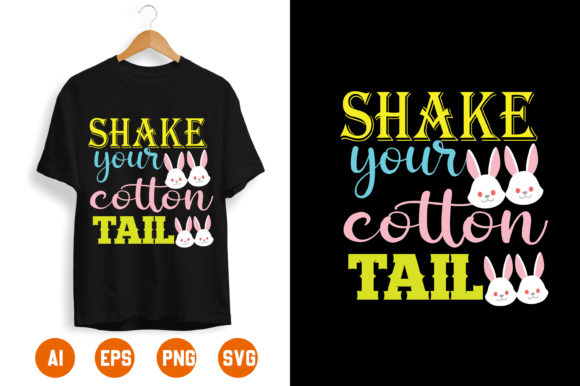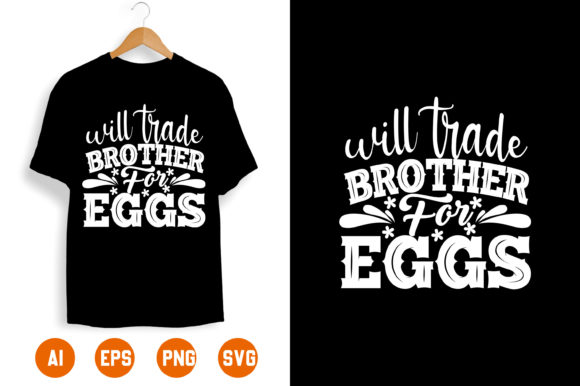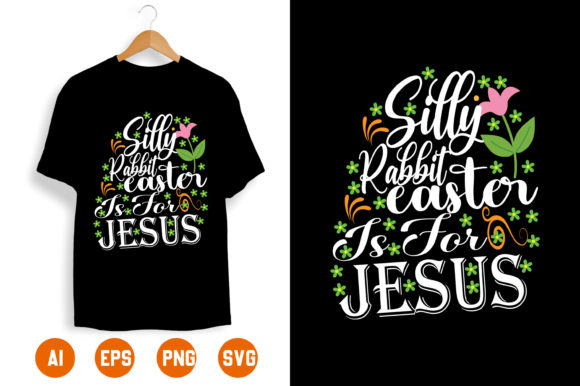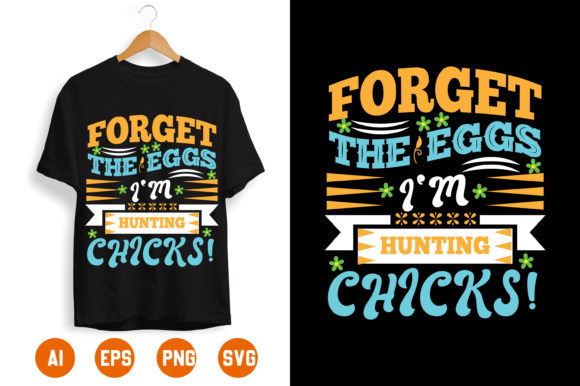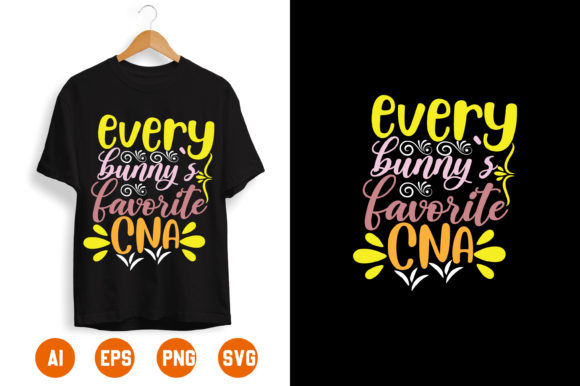
Easter T-Shirt Design 38 Review for Crafters
When I first opened Easter T-shirt Design 38, I immediately recognized the kind of asset that saves hours of prep work. The mood leans festive yet refined, with a clean decorative feel that suits both premium handmade products and playful seasonal bundles. If you sell on Etsy, prep for craft fairs, or fulfill custom orders, this design has the versatility to work across multiple product lines. It does not scream generic clipart; it feels like a deliberate illustration built for real production work.
First Impressions and the Handmade Business Vibe
Easter T-shirt Design 38 delivers a balanced aesthetic that falls somewhere between elegant and cheerful. The linework and composition suggest it was created with crafters in mind, not just digital artists. For my own shop, I immediately thought of customers who want something that feels special but not overly cutesy. The design reads well at a distance, which matters for t-shirts, totes, and mugs. It also holds up under close inspection, a quality I always check before offering a new product to my buyers.
If you primarily serve customers looking for Easter gifts, party decorations, or seasonal apparel, this graphic design asset fits naturally into that niche. It does not feel dated or overly trendy, which means I can use it across multiple seasons and expect it to still resonate next year. That longevity matters when you are building a small business branding strategy around consistent quality.
Real Crafting Scenarios for Etsy Sellers and Handmade Makers
I tested Easter T-shirt Design 38 in several real product workflows. Here is what I made and how the asset performed in each case.
- T-shirt design for a seasonal collection: The SVG cut cleanly on my Cricut Maker using both standard and fine-point blades. The lines are thick enough to weed without frustration, yet detailed enough to look premium. I used a metallic heat transfer vinyl on a cream tee, and the registration held perfectly.
- Mug design for a gift set: I resized the PNG version for sublimation on straight-sided tumblers and mugs. The image stayed crisp, and the colors did not muddy during pressing. I tested it on both white and coated dark mugs, and the contrast worked well on light backgrounds.
- Sticker design for planner kits and gift tags: The design scaled down to 1.5 inches for stickers without losing readability. However, I did check the fine details carefully before cutting, because some interior elements can become crowded at very small sizes. For standard sticker sheets and kiss-cut decals, it performed well.
- Tote bag and gift packaging: I used the design as a central decorative accent on canvas totes and as a small accent on thank-you cards. The clean layout made it easy to pair with a handwritten script font for a personalized touch. I added a short custom message in a sans serif font underneath, and the whole composition felt cohesive.
If you run a print-on-demand shop, this design works well as a standalone piece or as part of a larger design bundle. I also tested it on planner stickers, scrapbooking layouts, and party favor tags. Each time, the asset held its shape and color integrity.
Where Easter T-Shirt Design 38 Works Best
After working with the file across several materials and products, I found clear strengths.
- Large cut files and vinyl projects: The design shines at scales where the details remain visible. For t-shirts, hoodies, tote bags, and pillow covers, the silhouette reads clearly and creates a strong visual impact.
- Clean printable layouts: If you offer printable wall art, gift tags, or greeting cards, the PNG version provides a high-resolution base that prints sharply. I used it on matte cardstock and glossy paper, and both results looked professional.
- Seasonal craft bundles and gift products: Because the design feels cohesive and not overly busy, it pairs well with other assets in a seasonal collection. I combined it with a few simple floral accents and a soft serif font, and the whole bundle felt curated.
- Sublimation and printable products: The resolution holds up for dye-sublimation on polyester fabrics and coated hard goods. I tested it on a tumbler wrap, a small notebook cover, and a ceramic ornament, and each piece came out clean.
- Small business branding and packaging: If you want to create a consistent look across your shop, this design can serve as a decorative accent on tags, stickers, and inserts. It adds a professional touch without overwhelming the product.
Where to Use Careful Judgment Before Crafting
No design asset is perfect for every application, and Easter T-shirt Design 38 has a few limitations that experienced crafters should note.
- Very small cutting details: Some interior cut lines are thin. When I tried to cut the design at under 1.5 inches for tiny stickers, a few of the finer elements lost definition. If you plan to make mini decals or tiny accents, test a sample first.
- Low-contrast color choices: The design relies on moderate contrast between elements. If you print or cut it on a low-contrast background, some details may blend together. Always place the design on a mockup or physical test piece before committing to a batch of products.
- Layered vinyl projects: The design includes overlapping shapes that can complicate layered vinyl applications. If you use multiple colors of adhesive vinyl, plan your layers carefully. I recommend simplifying the layout by merging certain shapes or using a single-color approach for layered cuts.
- Crowded compositions: The design works best when given space. Avoid placing it inside already busy layouts or combining it with multiple competing graphics. It pairs best with a minimal background and one or two supporting elements.
Practical Crafter Notes and Technical Checks
Before you start selling finished products made with Easter T-shirt Design 38, run through these steps that I use for every graphic design asset in my own handmade business.
- Test the SVG file first. Open it in your design software and check for stray nodes, unclosed paths, or overlapping lines. I found the file to be clean, but I always verify before sending to the cutting machine.
- Preview PNG transparency. Make sure the transparent background is actually transparent and not just white. I opened the PNG in Photoshop and checked the alpha channel. It was clean, but I recommend confirming for your own print and sublimation files.
- Confirm resolution for sublimation. The PNG resolution should be at least 300 DPI at the size you intend to print. I resized the design to 10 inches wide and the quality remained sharp. For larger prints, test a sample first.
- Test colors before printing. Colors on screen do not always match printed results. I ran a small test print on my sublimation paper and adjusted saturation slightly. If you use a home printer, calibrate your profile and test on your specific paper type.
- Check appearance on white and dark products. Light-colored designs can disappear on white backgrounds, and dark designs can lose detail on black or deep navy. I tested on both white and dark tees, and the design showed clearly with proper contrast.
- Place it on real mockups. Before listing a product, I always drop the design into a product mockup to see scale, placement, and proportion. It helps me decide whether to resize or reposition the graphic for each product type.
- Resize for different products. A design that works on a t-shirt may feel too large or too small on a mug. I created separate resized versions for each product in my shop to maintain balance.
- Simplify the layout if needed. If the design feels too busy for a small product, I sometimes remove one or two smaller elements. The SVG structure made this easy without breaking the overall composition.
- Pair with the right font. I tested the design with a serif font, a sans serif font, a script font, a handwritten font, and a display font. The design worked best with a clean sans serif or a soft handwritten style. A heavy display font overpowered the graphic, while a delicate script blended nicely for a feminine look.
- Confirm commercial licensing. Before selling any finished products, I checked the commercial license for Easter T-shirt Design 38. Make sure your license allows physical product sales, digital printable products, and print-on-demand use. Each creative marketplace may have different terms, so read the fine print carefully. I only use assets that explicitly cover commercial use for handmade businesses.
Why This Asset Works for Seasonal Collections and Customer Orders
For Etsy shop owners and small handmade businesses, time is money. A graphic design asset that cuts, prints, and scales cleanly reduces production time and customer errors. Easter T-shirt Design 38 fits that description for most standard product sizes. I finished a batch of ten custom tumblers with this design in under two hours, including test prints and weeding. That kind of efficiency matters when you are preparing for a craft fair or fulfilling a bulk customer order.
The design also supports small business branding because it looks intentional. It does not scream "generic template." Customers notice that difference, especially when they buy personalized items. If you want to build a brand that customers remember, using premium design assets is a smart investment.
Final Thoughts from a Handmade Product Creator
After working with Easter T-shirt Design 38 across multiple workflows, I can recommend it for crafters who already have experience with SVG and PNG files. It is not a beginner-only asset, but it does reward careful preparation. The design offers real value for t-shirt designs, sublimation projects, printable products, and seasonal craft bundles. If you test it thoroughly, resize appropriately, and pair it with thoughtful typography, it will serve your handmade business well.
I plan to include this asset in my upcoming Easter collection, both as a standalone design and as part of a larger design bundle. For any crafter looking to add a polished, versatile option to their shop, Easter T-shirt Design 38 is worth a close look.