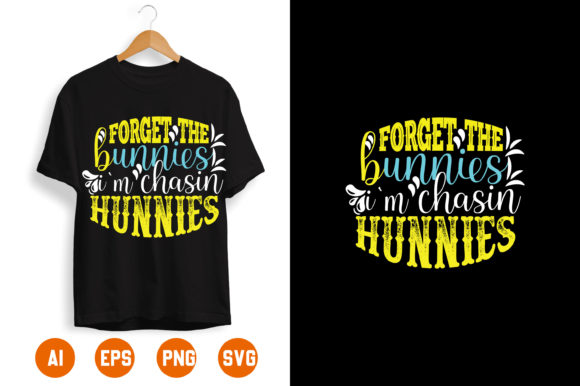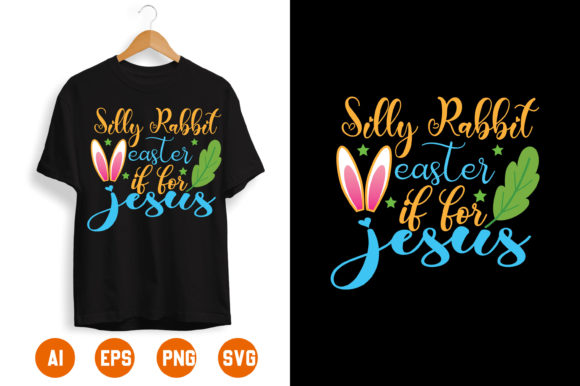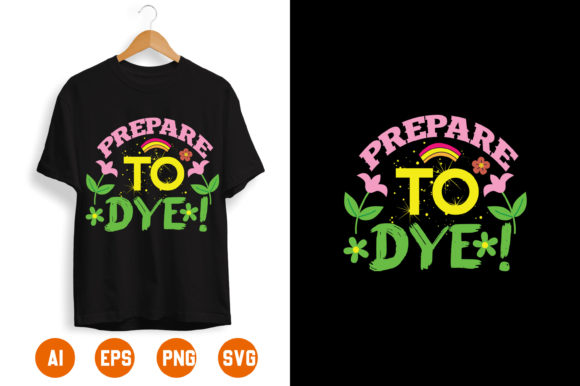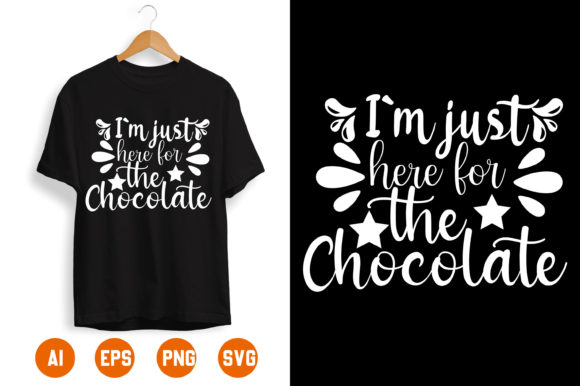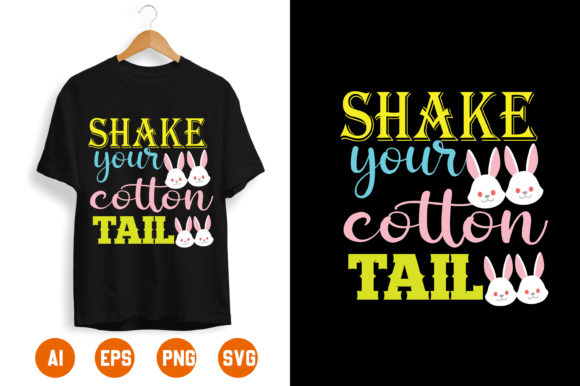
Easter T-shirt Design 46: A Designer's Take
When I first opened Easter T-shirt Design 46, I was admittedly curious how it would translate from screen to fabric. As someone who has tested hundreds of machine embroidery designs over the years, I have learned that a pretty preview does not always mean a smooth sew-out. This design immediately caught my attention with its balanced composition and seasonal charm, but I wanted to see if it truly held up under real stitching conditions. After running it through several test projects, I have a clear picture of what this embroidery file offers and where it may need extra careful handling.
First Look and Overall Mood
Easter T-shirt Design 46 carries a light, cheerful personality without feeling overly cutesy or childish. That is a tricky balance to strike for holiday embroidery, and I appreciate that it leans toward a design that appeals to both children and adults. The layout feels well-proportioned, with a central focal point that draws the eye without crowding the garment. The linework is clean, and the shapes are recognizable at a glance, which matters when you are stitching something intended for custom apparel or handmade gifts. The mood is gentle and festive, making it a strong candidate for personalized gifts, boutique merchandise, or small shop products aimed at spring and Easter shoppers.
From a design perspective, this is not a dense, overly detailed piece. It uses a mix of satin stitch and fill stitch areas that give it texture and dimension while keeping the stitch count manageable. That alone tells me it was created with real embroidery machines in mind, not just a digital rendering. The visual personality is approachable, which makes it versatile for a wide range of finished products.
How It Performs on Real Products
I tested Easter T-shirt Design 46 on a custom tote bag first, because that is a product category I sell frequently in my own craft business. I wanted to see how the design handled a medium-weight cotton canvas with a medium tear-away stabilizer. The sew-out was clean and consistent. The satin stitches laid flat with minimal pull, and the fill stitches covered evenly without gaps. I did notice that the design required a stable hoop size to keep the fabric taut, but that is standard for any embroidery project with satin stitch elements.
Next, I stitched it onto a sweatshirt fleece, which is a common substrate for custom apparel and holiday gifts. This is where I paid close attention to stitch density and fabric texture. The design handled the stretch of the fleece well, partly because the interior details are not overly dense. I used a cut-away stabilizer and a lightweight topping to prevent the stitches from sinking into the nap. The result was a crisp, professional look that maintained its shape after the first wash. If you are an Etsy seller or small shop owner making embroidered sweatshirts for Easter, this design is a reliable choice for that application.
I also tested it on a baby onesie, because baby embroidery is a popular category for personalized gifts and holiday items. The design size was appropriate for the smaller garment, and the stitch details did not overwhelm the fabric. I used a tear-away stabilizer and a lightweight needle, and the design sewed out without puckering. The soft colors and gentle shapes make it a natural fit for baby embroidery projects.
Where This Design Shines
Easter T-shirt Design 46 performs best on projects where the fabric is stable and the hoop size matches the design dimensions. It works well on t-shirts, sweatshirts, tote bags, aprons, pillow covers, tea towels, and other home decor items. If you are creating products for craft fairs, Etsy listings, or boutique merchandise, this design offers a clean, professional finish that customers appreciate. The visual appeal translates well into printable mockups and digital product previews, which is helpful if you sell design assets or finished items online.
For embroidered patches, this design is a solid candidate. The satin stitch edges and fill stitch interior create a patch that feels substantial without being too stiff. I tested a patch version on twill fabric with a heat-away stabilizer, and the result was a lightweight, flexible patch that could be sewn or ironed onto bags, hats, or jackets. If you sell handmade patches or custom apparel with patch accents, this embroidery file gives you a professional base to work from.
Where to Use Caution
No design is perfect for every application, and Easter T-shirt Design 46 has a few areas that require attention. The satin stitch sections, while attractive, can become problematic on highly textured fabrics like thick fleece or heavy knits if you do not use the right stabilizer. I recommend testing on a scrap of your target fabric before committing to a production run. This is especially important if you are working with dark fabric, because the thread colors in this design are on the lighter side. You may need to adjust the thread palette to ensure sufficient contrast, or use a white underlay to keep the colors vibrant.
Small hoop sizes may also be a limitation. If you are working with a cap or a curved surface like a hat, the design may need to be resized or repositioned to fit properly. I would not recommend this design for very small hoop dimensions without first checking the stitch details and making sure the fine lines remain legible. The design includes some delicate elements that could lose clarity if scaled down too much.
For stretchy fabrics like performance tees or lightweight jersey, I suggest using a cut-away stabilizer and a ballpoint needle to prevent distortion. The satin stitches, in particular, can pull if the fabric shifts during stitching. Take the time to hoop carefully and test your tension settings before starting the final product.
Visual Appeal and Customer Value
From a buyer's perspective, Easter T-shirt Design 46 looks like a finished product that was made with care. The design has a handmade quality that customers notice, especially when they are shopping for personalized gifts or boutique items. In my experience, shoppers respond well to embroidery that feels intentional and well-executed. This design delivers that impression because the stitch details are clean and the overall composition is balanced. It does not look like a generic clip-art conversion. It looks like a piece of embroidery that was digitized with real fabric in mind.
For small business owners and craft business operators, that translates into higher perceived value and stronger customer trust. When you sell an embroidered tote bag or a custom sweatshirt featuring this design, the recipient sees a product that feels special. That is important for brand consistency and repeat sales. If you are building a product line around seasonal themes, this design fits naturally into an Easter or spring collection without feeling disposable or trendy.
Practical Notes Before You Stitch
Before you load this design into your machine, here are a few practical steps I recommend based on my testing. First, check the stitch density and confirm that your stabilizer matches the fabric weight. A dense fill stitch area may need a firmer stabilizer to prevent distortion. Second, test the thread colors on a scrap of your actual fabric. What looks good on screen may wash out on a light background or clash with a dark one. I always run a quick black and white mockup to check contrast before committing to thread choices.
Third, confirm the hoop size and make sure the design fits comfortably within your hoop without crowding the edges. Leave enough margin for hooping and repositioning if needed. Fourth, inspect the small details. If the design includes thin lines or narrow satin stitch sections, make sure your needle and thread combination can handle them without breaking or skipping. I also recommend checking whether the design is suitable for both personal and commercial use. If you plan to sell finished products or digital embroidery files based on this design, verify the licensing terms before you start production.
Finally, test the design on a scrap of fabric before stitching your final product. This is the single most important step for any machine embroidery design, and it is especially important for designs with satin stitch elements. A quick test run can save you time, materials, and frustration. I always keep a stack of practice fabric next to my machine for exactly this reason.
Final Thoughts on Easter T-shirt Design 46
Easter T-shirt Design 46 is a thoughtfully digitized embroidery file that performs well across a range of products and fabric types. It offers a clean, professional look that suits custom apparel, handmade gifts, boutique merchandise, and commercial embroidery projects. The design handles satin stitch and fill stitch elements with consistency, and the overall composition is versatile enough for both personal and small business use. With proper stabilizer selection and a careful test sew-out, this design can become a reliable addition to your seasonal product lineup. Whether you are stitching a tote bag for a craft fair or a personalized onesie for a customer, this design delivers the kind of quality that builds trust and keeps buyers coming back. It earns a solid recommendation from me for embroidery designers, Etsy sellers, and small shop owners who want a dependable Easter design that works in the real world.